🧰 Maintenance Guide for True Beadlock Wheels
🧰 Maintenance Guide for True Beadlock Wheels

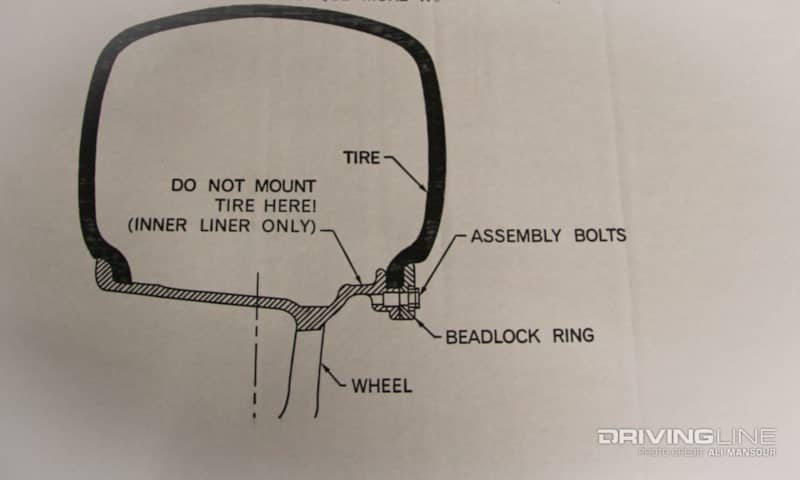
True beadlock wheels are incredible for low-PSI traction — but they require a bit more care than standard or beadlock-style wheels. This guide explains how to keep beadlocks structurally sound, airtight, and adventure-ready.
🔩 Routine Maintenance — After Every Off-Road Trip
Beadlocks take stress from impact, torsion and low tyre pressure. After running them hard:
-
Check for bolt loosening
-
Inspect outer ring for damage
-
Look for mud, sand or grit around the bead
-
Confirm tyre bead hasn’t shifted
-
Verify tyre PSI after bead compression
-
Spin test — check for wobble or run-out
Even one loose ring bolt can put uneven pressure on the bead — risking leaks or tyre failure.
🔧 Torque & Bolt Management
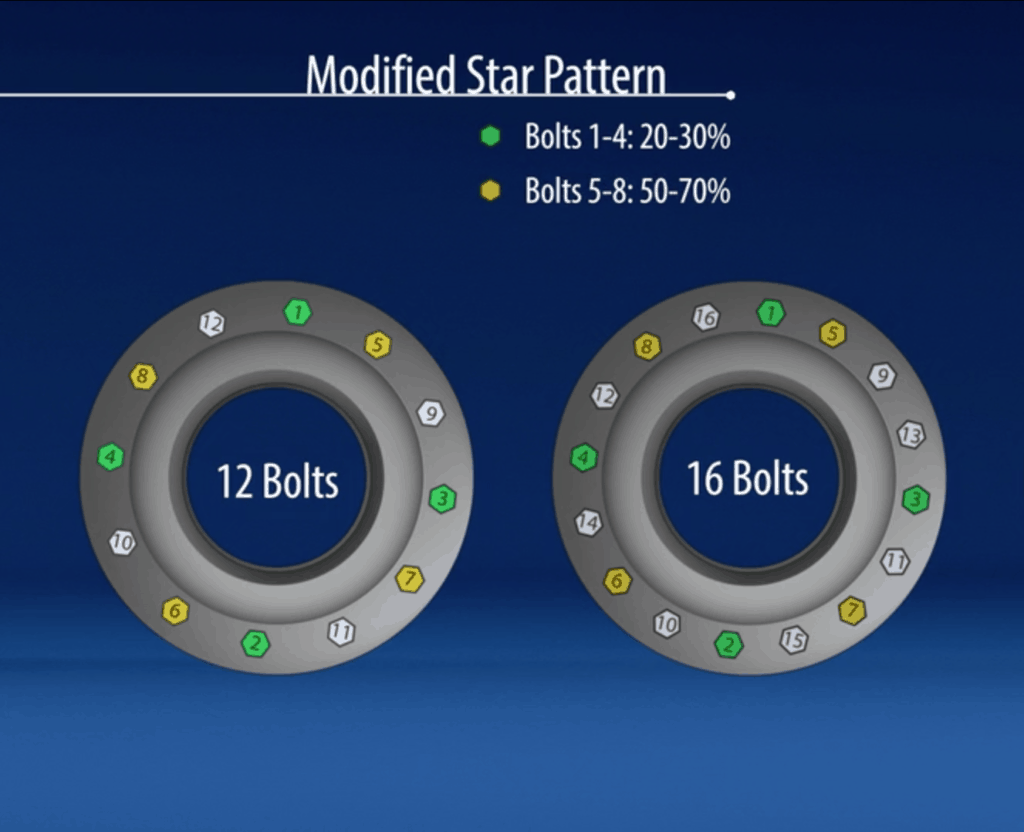
Torque is everything.
Always tighten bolts in a cross-/star-pattern.
Typical torque range:
🔧 18–22 ft-lbs (24–30 Nm)
(Always check manufacturer specs — KMC, Method, Dirty Life may vary)
Best practices:
✔ Use a torque wrench — never “by feel”
✔ Do NOT use impact guns on final tightening
✔ Retorque after the first 50–100 km of driving
✔ Retorque after airing down and reinflating
🛢️ Cleaning & Corrosion Prevention
Road salt, mud and sand can creep under the beadlock ring.
Best cleaning practices:
-
Remove ring if needed
-
Clean mating surfaces
-
Clear debris from bolt holes
-
Use non-acidic wheel cleaners
-
Avoid corrosive chemicals
Optional for longevity:
✔ Anti-seize paste on bolt threads
✔ Light silicone bead on tyre edge if recommended
🚨 Signs Your Beadlocks Need Attention
You may have a problem if:
❗ You hear clicking at low speed
❗ Bolts are backing out
❗ Tyre loses PSI overnight
❗ Visible bead separation
❗ Mud/water is weeping from bead edge
❗ Ring looks warped or bent
If you hit rocks, stumps or ledges hard — inspect visually every time.
🧪 PSI & Tyre Behaviour — Running Low Pressure Safely
Low PSI is the primary benefit of beadlocks — but only within limits.
Recommended safe operating low-PSI ranges:
-
Sand: 10–14 psi
-
Rock crawling: 8–12 psi
-
Mud: 12–15 psi
-
Snow: 8–12 psi
Below 8 PSI, tyre carcass distortion increases dramatically — only recommended for experienced operators.
⚙️ Spare Hardware & Replacement Components
It’s smart to carry:
-
spare ring bolts
-
extra washers
-
small torque wrench
-
valve cores
-
bead lubricant
-
small wire brush
A single damaged bolt can compromise the entire ring tension.
🏁 Final Maintenance Philosophy
Beadlocks aren’t “set and forget.” They’re high-performance components that work under high stress. Treat them like part of a race vehicle:
-
Inspect regularly
-
Retorque consistently
-
Clean thoroughly
-
Respect PSI limits
-
Replace damaged bolts immediately